

Spring 2026
Saturday, April 18, 2026
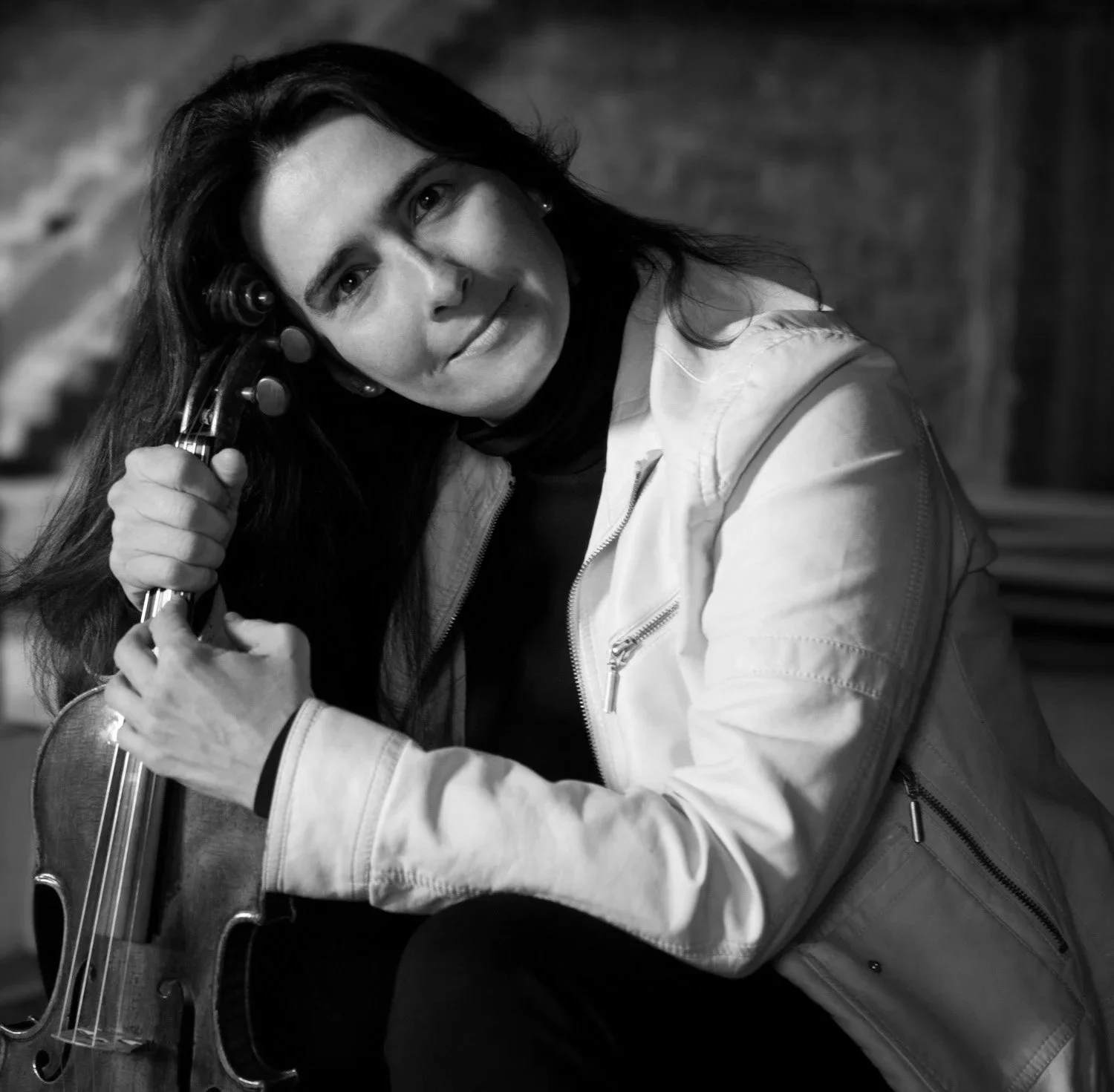
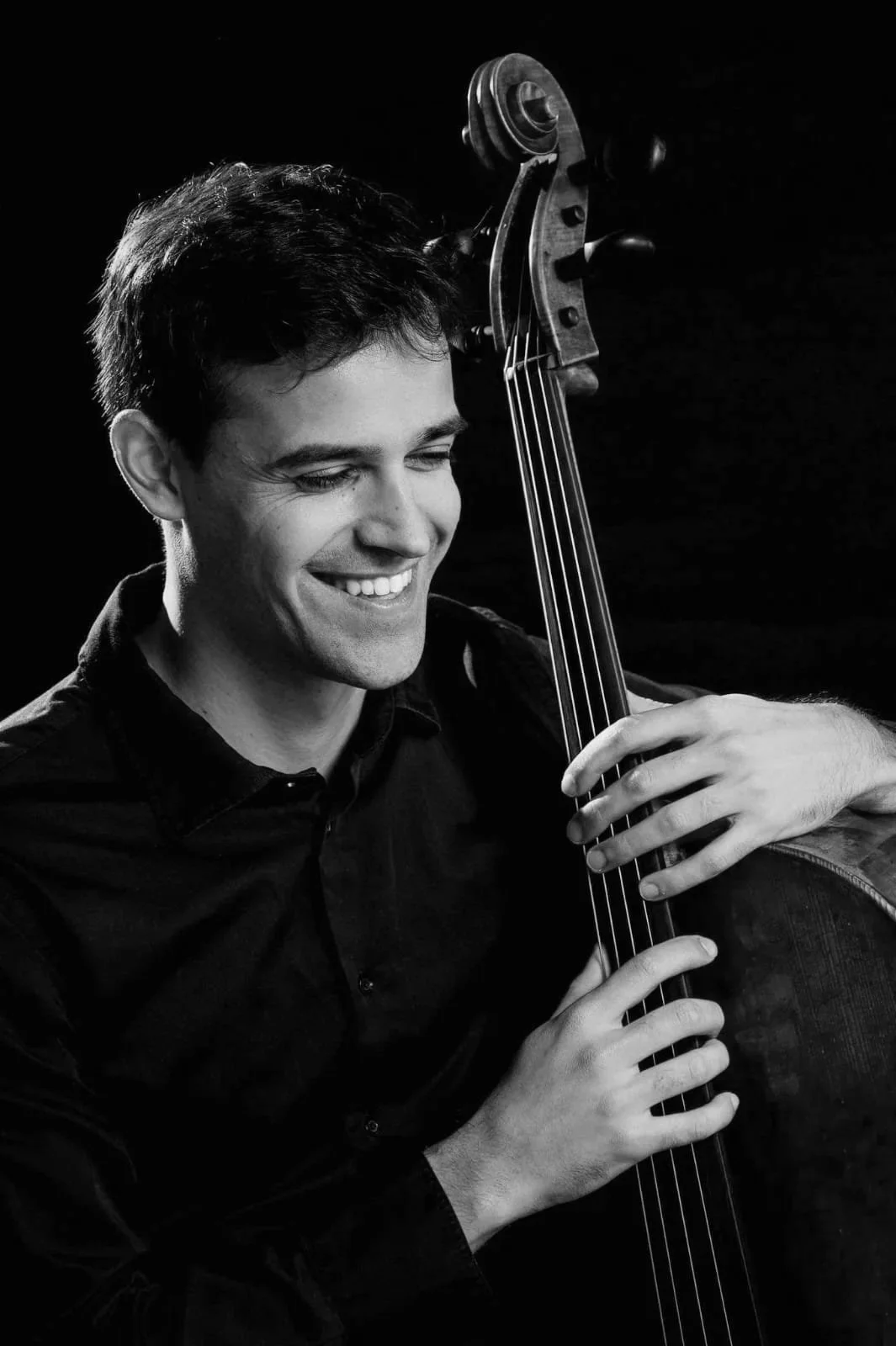
Francisco Fullana and friends
Cast
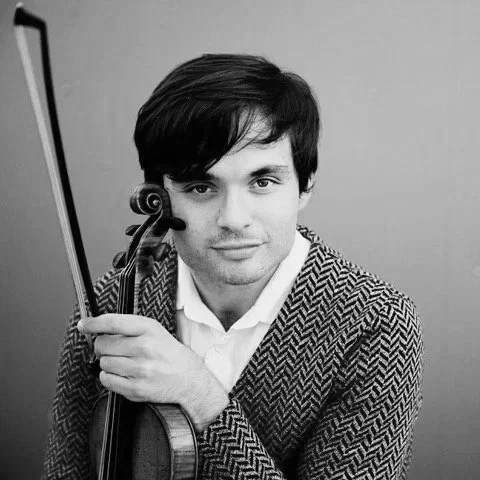
Violin Francisco Fullana
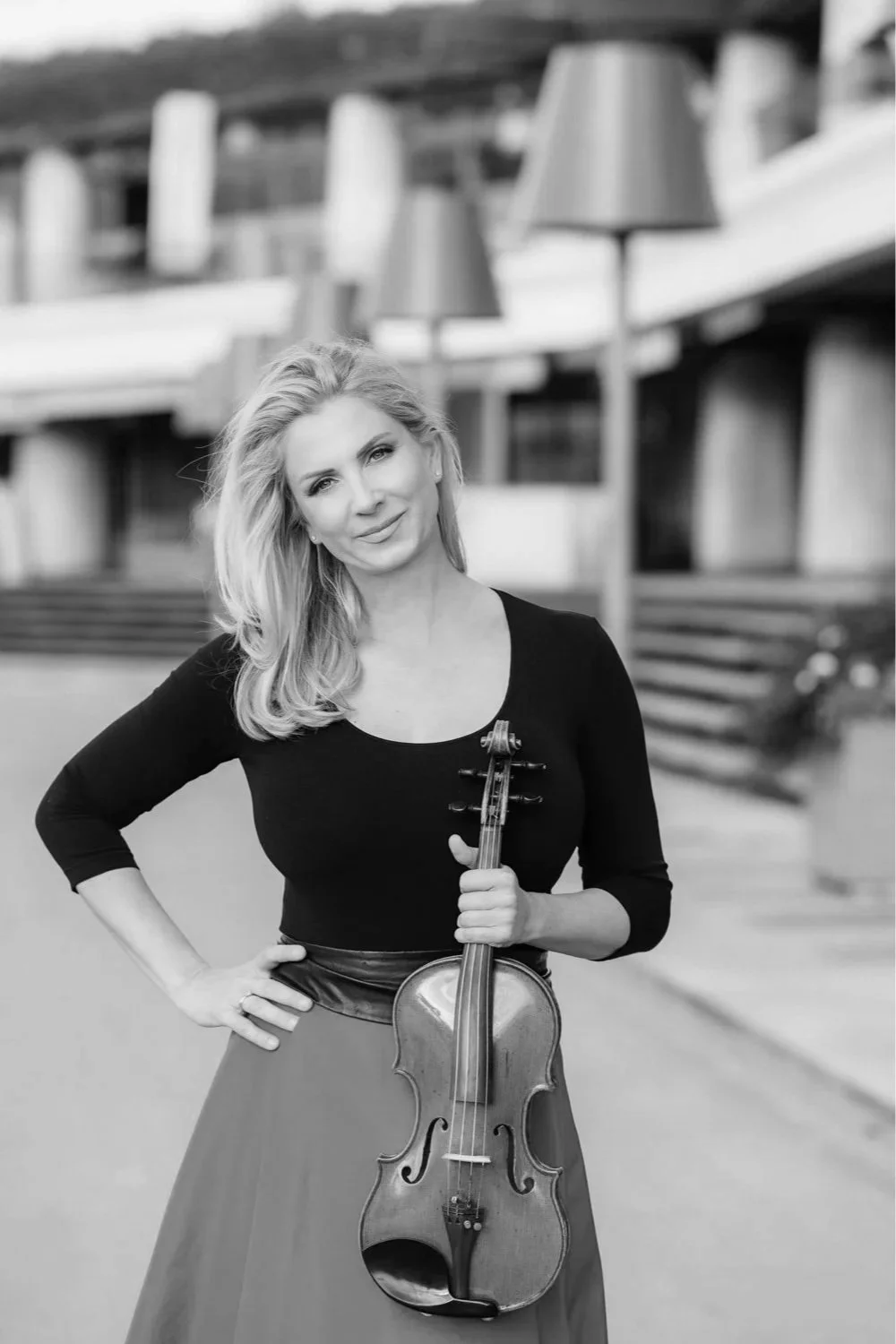
Violin Nina Heidenreich
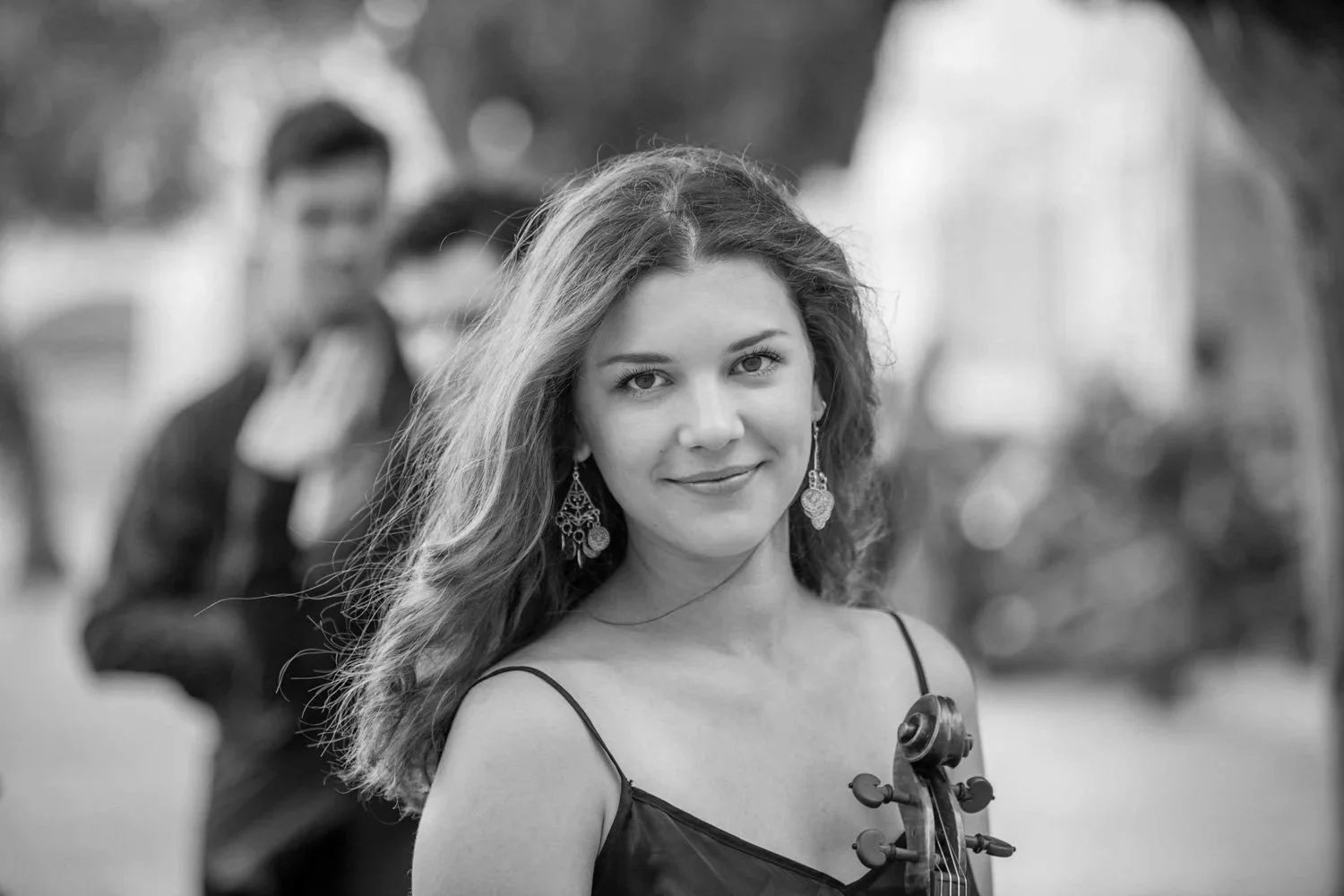
Viola Eszter Haffner
Viola Hanga Fehér
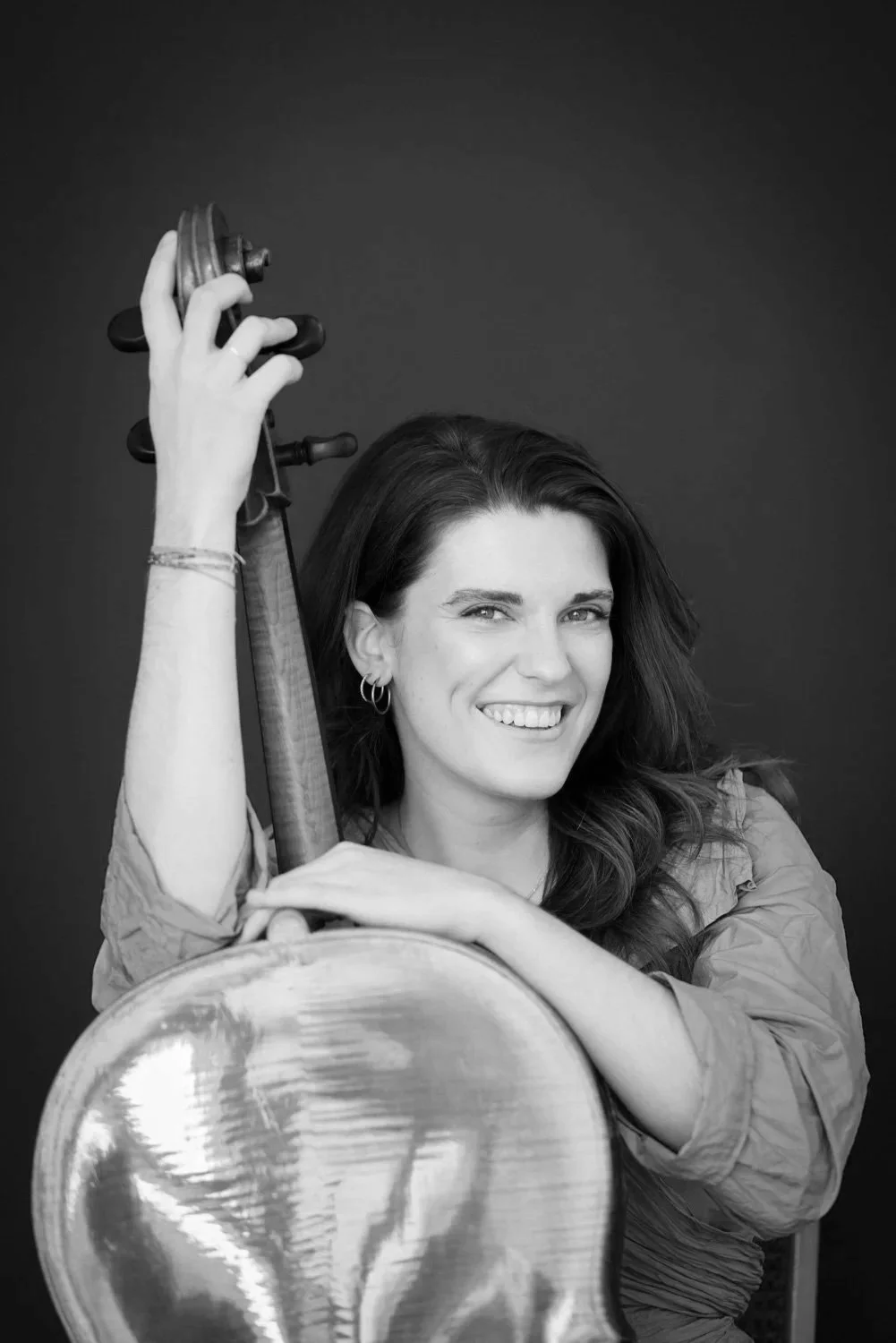
Cello Antonia Straka
Cello Llorenç Rosal
String Quartet No. 62 —The Turk in Italy
I. Allegro
II. Poco Adagio: Cantabile
III. Minuet
IV. Finale: Presto
Joseph Haydn
Isaac Albéniz
Asturias —for solo violin
INTERMEDIATE
Souvenir of Florence —Op. 70
Allegro con spirit
Adagio cantabile and with movement
Moderately fast
Allegro con brio and vivace
Pyotr Ilyich Tchaikovsky
-
PART ONE
Joseph Haydn (1732–1809)
String Quartet No. 62 in C major, Op. 76 No. 3 "Emperor"Composed in 1797, Quartet Op. 76 No. 3 belongs to the last group of quartets written by Haydn, considered the father of the genre. These works represent the culmination of all his experience in writing for four string instruments, combining formal balance, thematic ingenuity, and extraordinary expressive richness.
The nickname "Emperor" comes from the second movement, built on a melody that Haydn had composed shortly before as an anthem for Emperor Francis II of Austria: Gott erhalte Franz den Kaiser. This melody, which would later become the German national anthem, appears in the form of variations, always maintaining a noble, serene, and contemplative atmosphere.
The first movement opens with a bright and assertive character, where the four instruments actively participate in the musical discourse. The minuet presents a robust and rhythmic character, with almost symphonic energy, while the finale displays a playful and virtuoso spirit that closes the work with elegance and lightness.
This quartet is one of the most perfect examples of the classical balance between structural clarity and expressive depth.
⸻
Isaac Albéniz (1860–1909)
Asturias (Legend)Although today it is one of the most famous pieces in the guitar repertoire, Asturias (Leyenda) was originally composed for piano and forms part of Albéniz's Suite Española. Paradoxically, the piece does not evoke the region of Asturias, but rather the rhythmic and modal character of Andalusian flamenco.
The work is characterized by its intense dance rhythm, based on alternating chords and rapid figures that imitate guitar strumming. The central section introduces a broad, expressive melody with great melodic scope, which contrasts with the almost percussive energy of the outer sections.
Its rhythmic strength, harmonious color, and expressive intensity have made Asturias one of the most emblematic works of Spanish musical nationalism.
⸻
PAUSE
⸻
PART TWO
Pyotr Ilyich Tchaikovsky (1840–1893)
Souvenir de Florence, Op. 70Composed between 1890 and 1892, Souvenir de Florence is one of Tchaikovsky's most ambitious chamber works. Written for string sextet, the piece takes its name from the initial sketches made during the composer's stay in Florence. However, its character is deeply Russian, both in its themes and in its emotional intensity.
The first movement presents an energetic and passionate main theme, with an almost symphonic momentum. The second movement offers one of the most lyrical moments in all of Tchaikovsky's chamber music: a broad cantabile melody of great expressive depth.
The third movement introduces a lighter, more dance-like character, although it is still tinged with the composer's characteristic melancholy. Finally, the fourth movement bursts forth with boundless energy, inspired by the rhythms and melodic twists of Russian folklore, leading the work to a brilliant and virtuosic finale.
Souvenir de Florence combines the rich timbre of six string instruments with the emotional intensity and drama characteristic of Tchaikovsky's symphonic language, making it one of the great masterpieces of the chamber music repertoire.

Saturday, April 25, 2026
David Khrikuli
Piano recital
2 Preludes —Op. 11: No. 10 and No. 14
Enigma —Op. 52 No. 2
Languid dance —Op. 51 No. 4
2 Dances —Op. 73
Sonata No. 10 —Op. 70
Alexander Scriabin
Franz Liszt
Sonata —After Reading Dante, from Years of Pilgrimage, Second Year: Italy
INTERMEDIATE
Polonaise —Op. 44 in F-sharp minor
Waltz —Op. 64 No. 1 in D-flat major
Mazurka —Op. 56 No. 3 in C minor
Sonata No. 3 —Op. 58 in B minor
Frédéric Chopin
-
This recital offers a journey through three pianistic universes which, although born of Romanticism, project themselves into very different territories: the visionary mysticism of Scriabin, the literary drama of Liszt, and the profound elegance of Chopin. Together they trace an arc that ranges from lyrical intimacy to the most transcendent and visionary expression of the piano.
Scriabin: from lyricism to transcendence
Alexander Scriabin occupies a unique place in the history of piano. Trained in the Russian Romantic tradition, particularly under the influence of Chopin, his language evolved toward an increasingly free, symbolic, and spiritual sound universe.
The Preludes Op. 11, written in his youth, are directly reminiscent of Chopin's style: intense, concentrated miniatures with great harmonic refinement. In them, one can already perceive his inclination toward chromatic harmony and introspection.
With works such as Enigma and Danse languide, belonging to his middle period, the language becomes more ambiguous and sensual. The music seems to float in an atmosphere of suggestion, where tonality is diluted and the pianistic gesture becomes a vehicle for psychological states rather than traditional forms.
The Two Dances, Op. 73 belong to his last creative period, characterized by an ethereal, almost incorporeal style of writing. Here, the sound seems to be freed from tonal gravity in search of a mystical and luminous dimension.
Sonata No. 10, one of his last works for piano, is a true sonic vision. Often called the "insect sonata" because of the buzzing of its trills and figurations, this work evokes a world of vibrations, light, and spiritual transformation. More than a classical form, the sonata is a process of transfiguration, leading from a contemplative state to an explosion of radiant energy.
Liszt: Dante's Drama
The Sonata "Après une lecture de Dante" is one of Franz Liszt's most powerful works. Inspired by Dante's Divine Comedy, the piece represents a journey from the darkness of hell to a dimension of redemption and light.
From its first tense chords, the work presents a turbulent sound world, full of violent contrasts and passages of great virtuosity. The main theme, dark and descending in character, evokes suffering and condemnation, while the lyrical episodes represent moments of love and redemption.
The work is constructed like a symphonic poem for piano, where the literary narrative is transformed into a monumental musical architecture, culminating in a finale of great brilliance and transcendence.
Chopin: the nobility of the Polish soul
The second part of the recital is devoted entirely to Frédéric Chopin, the great poet of the piano. His deeply personal music combines elegance, melancholy, and a profound connection to the Polish musical tradition.
The Polonaise Op. 44 is one of the composer's most dramatic and complex works. In it, the noble and martial character of the Polish dance is combined with a central episode in the form of a mazurka, creating a work of great emotional intensity and innovative structure.
The famous Waltz Op. 64 No. 1, known as the "One-Minute Waltz," shows Chopin's most brilliant and lighthearted side. Its virtuosic character and apparent lightness conceal great rhythmic precision and elegance.
Mazurka Op. 56 No. 3 represents the composer's most intimate and nostalgic side. In it, the harmonic language is surprisingly bold, anticipating the sounds of the 20th century, while the rhythm of the Polish dance is transformed into a deeply personal expression.
The recital culminates with Sonata No. 3, one of the great peaks of the Romantic piano repertoire. In this work, Chopin combines classical architecture with his unmistakable lyricism. The first movement presents intense drama, followed by a brilliant scherzo and a slow movement of great cantabile beauty. The energetic and virtuosic finale closes the work with a gesture of brilliant affirmation.